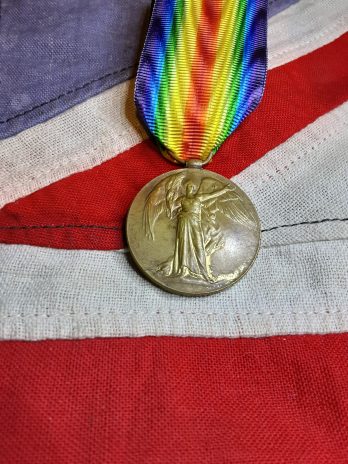

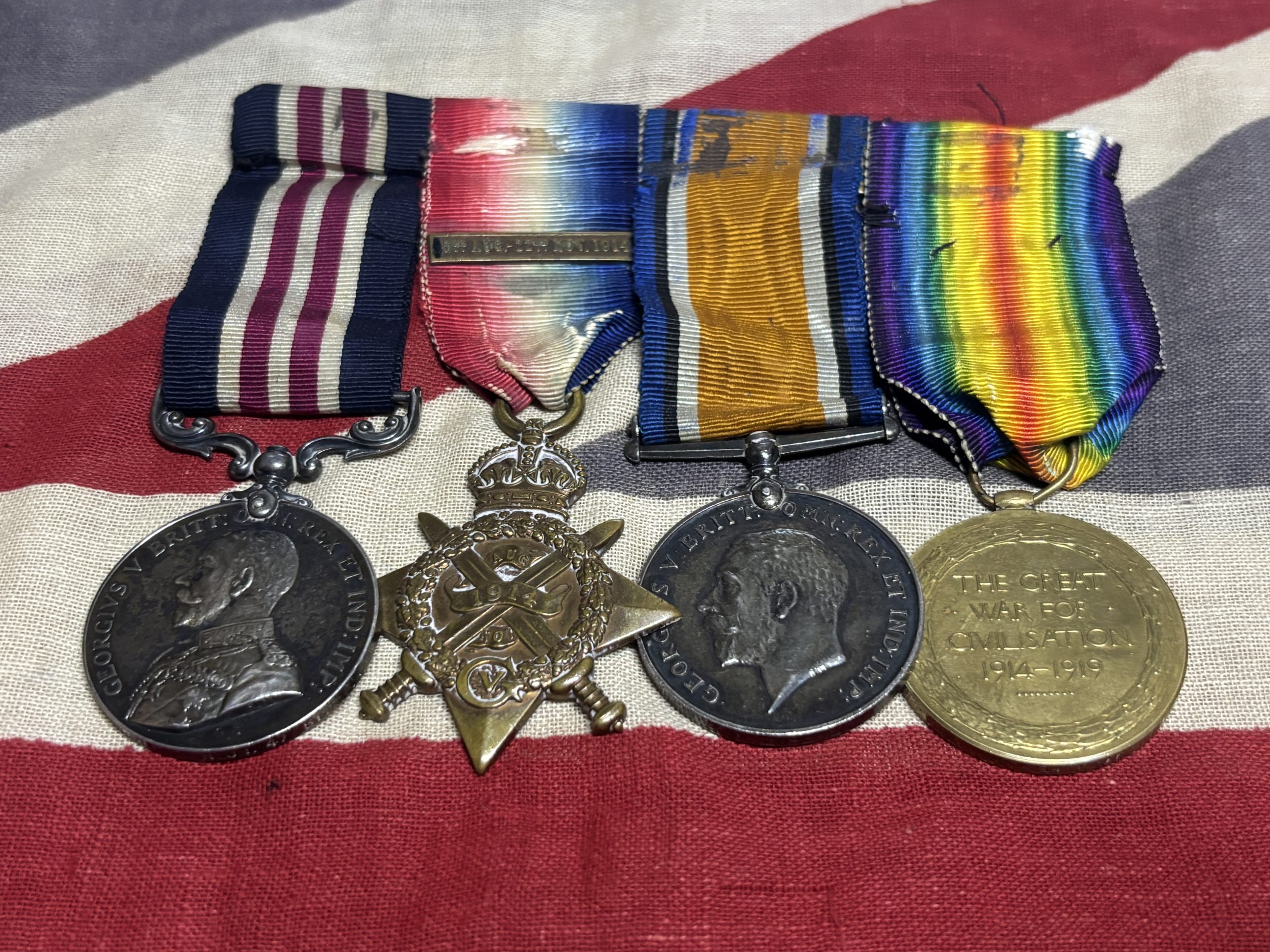
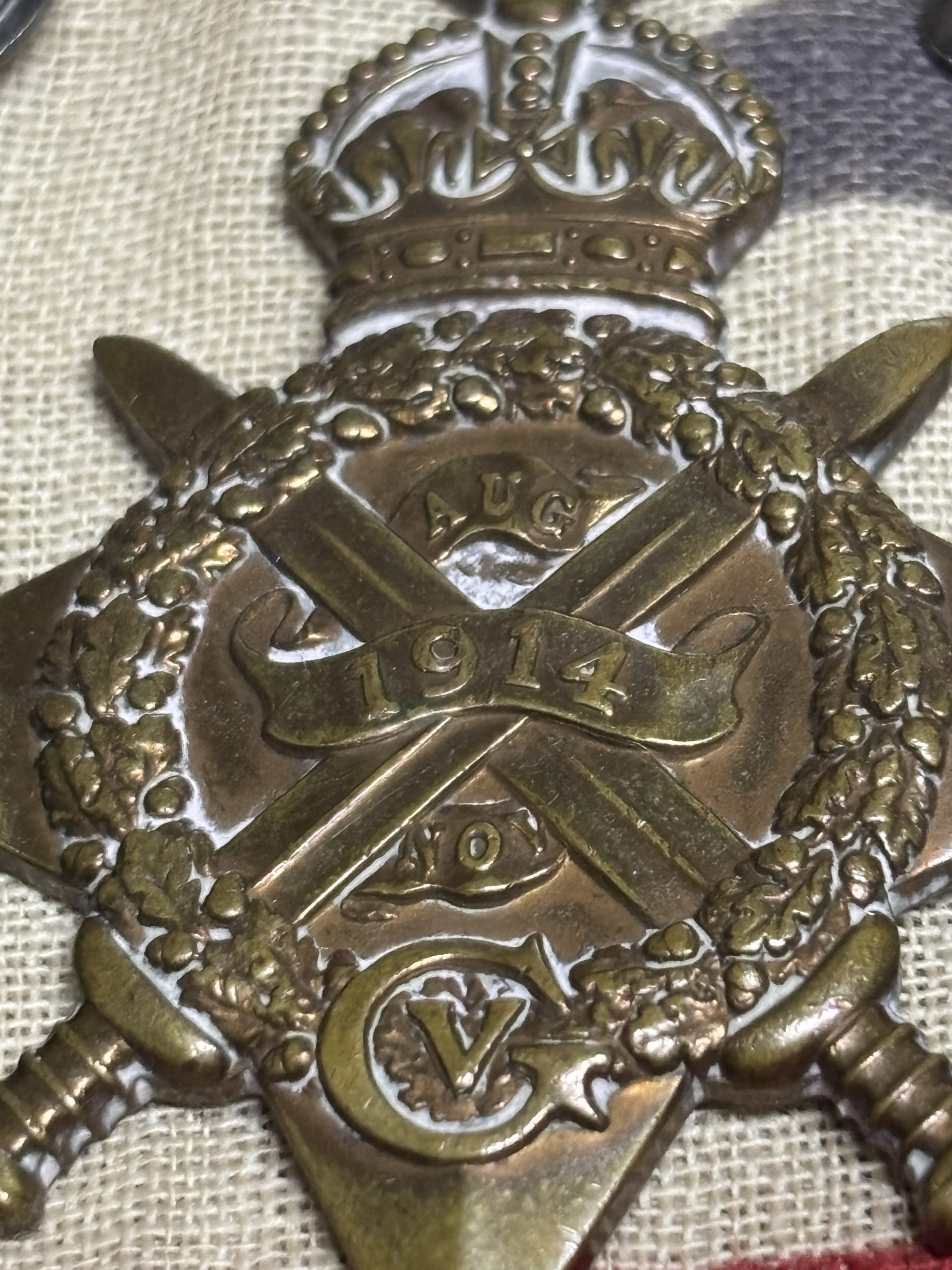


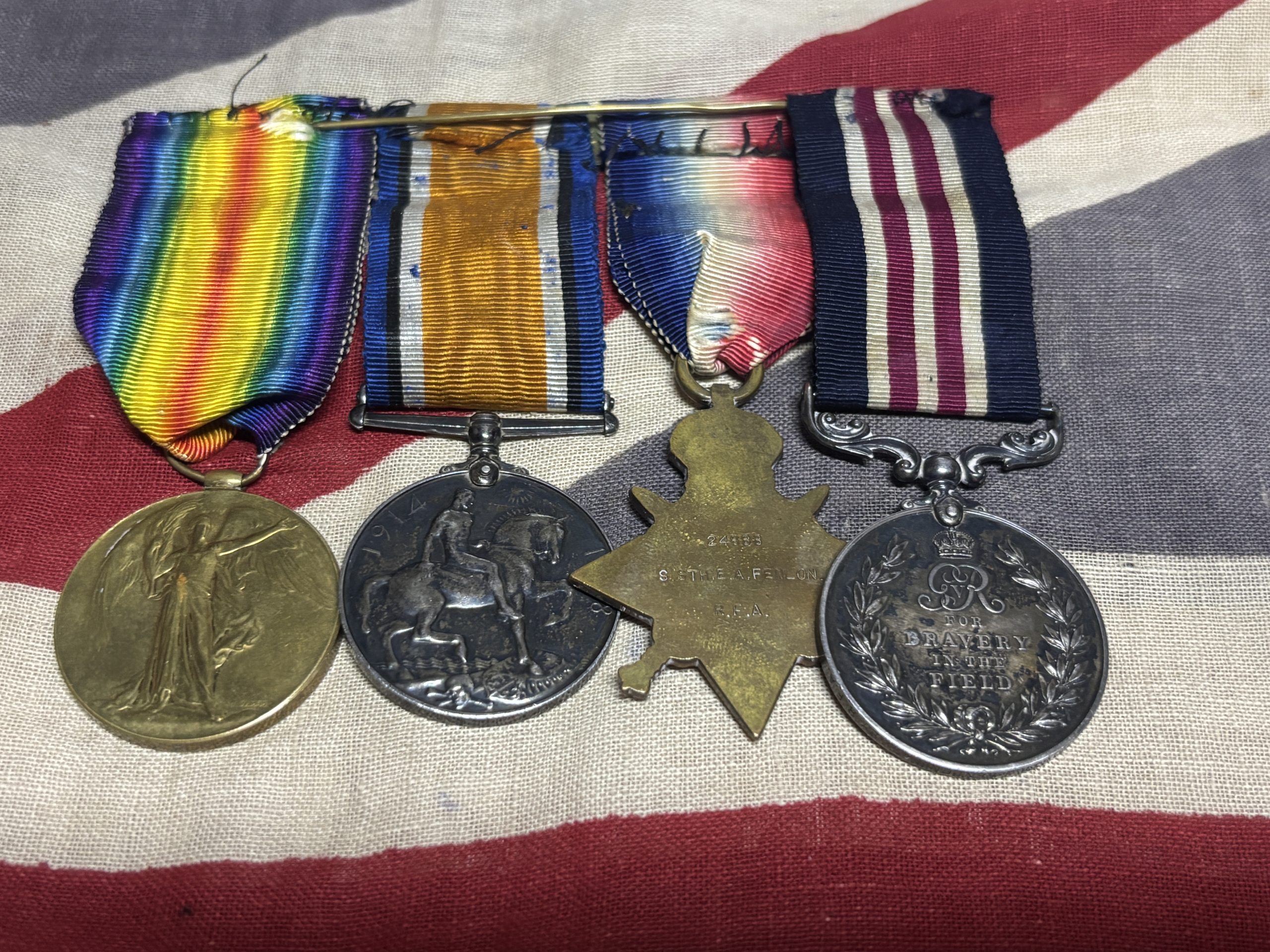




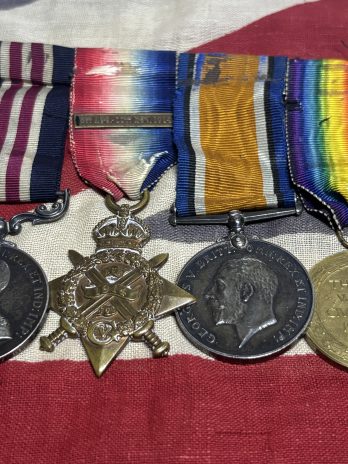

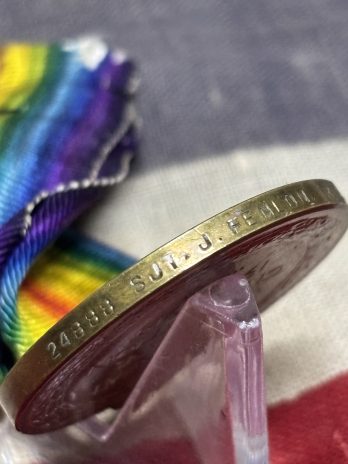
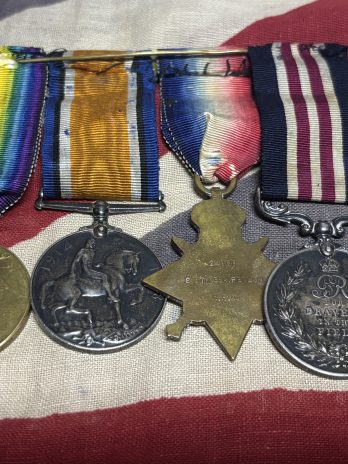



Mons Star Trio with MM for gallantry. Fenlon. RFA. Dublin later Sheffield.
£725.00
Availability: 1 in stock
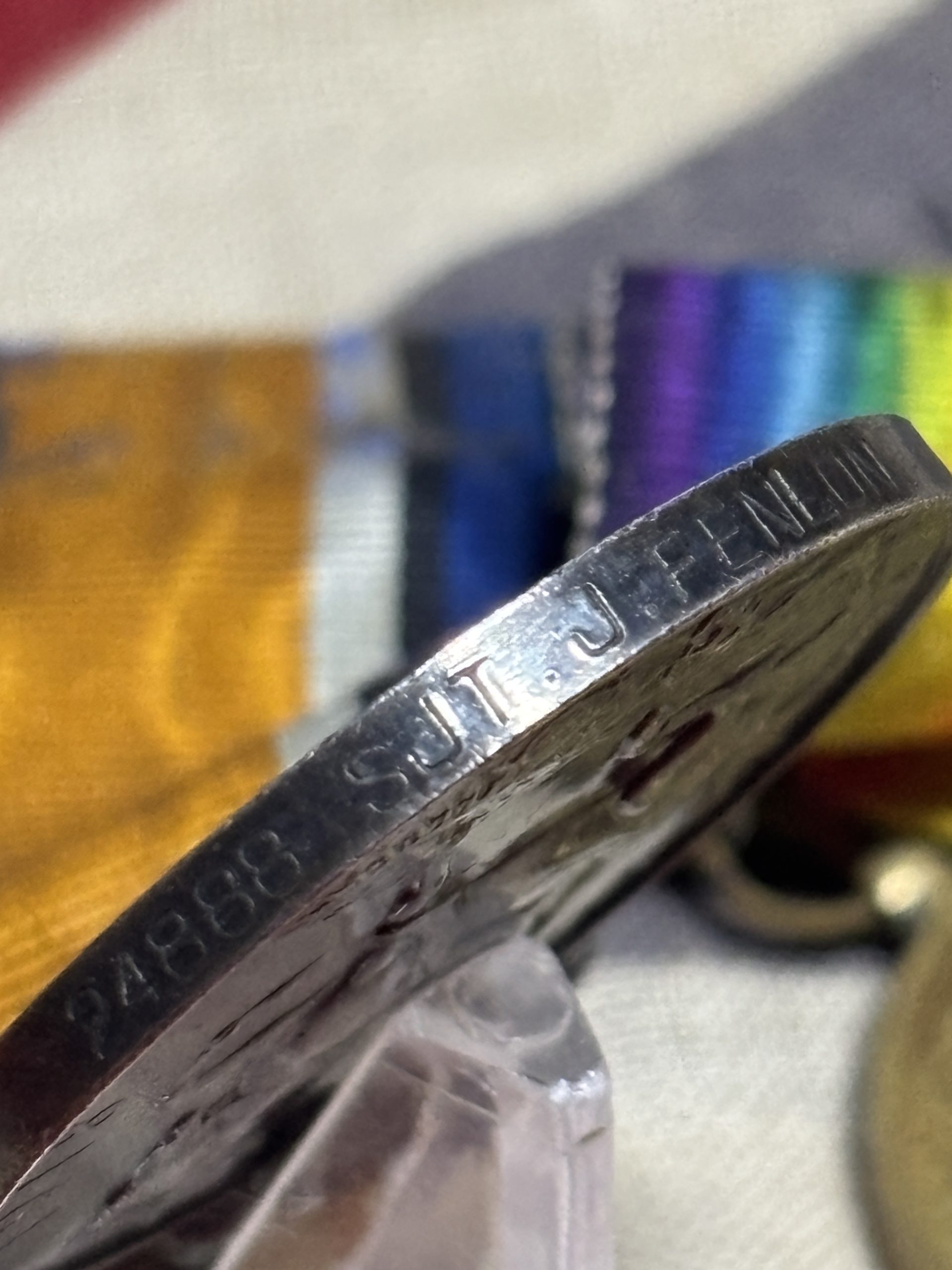
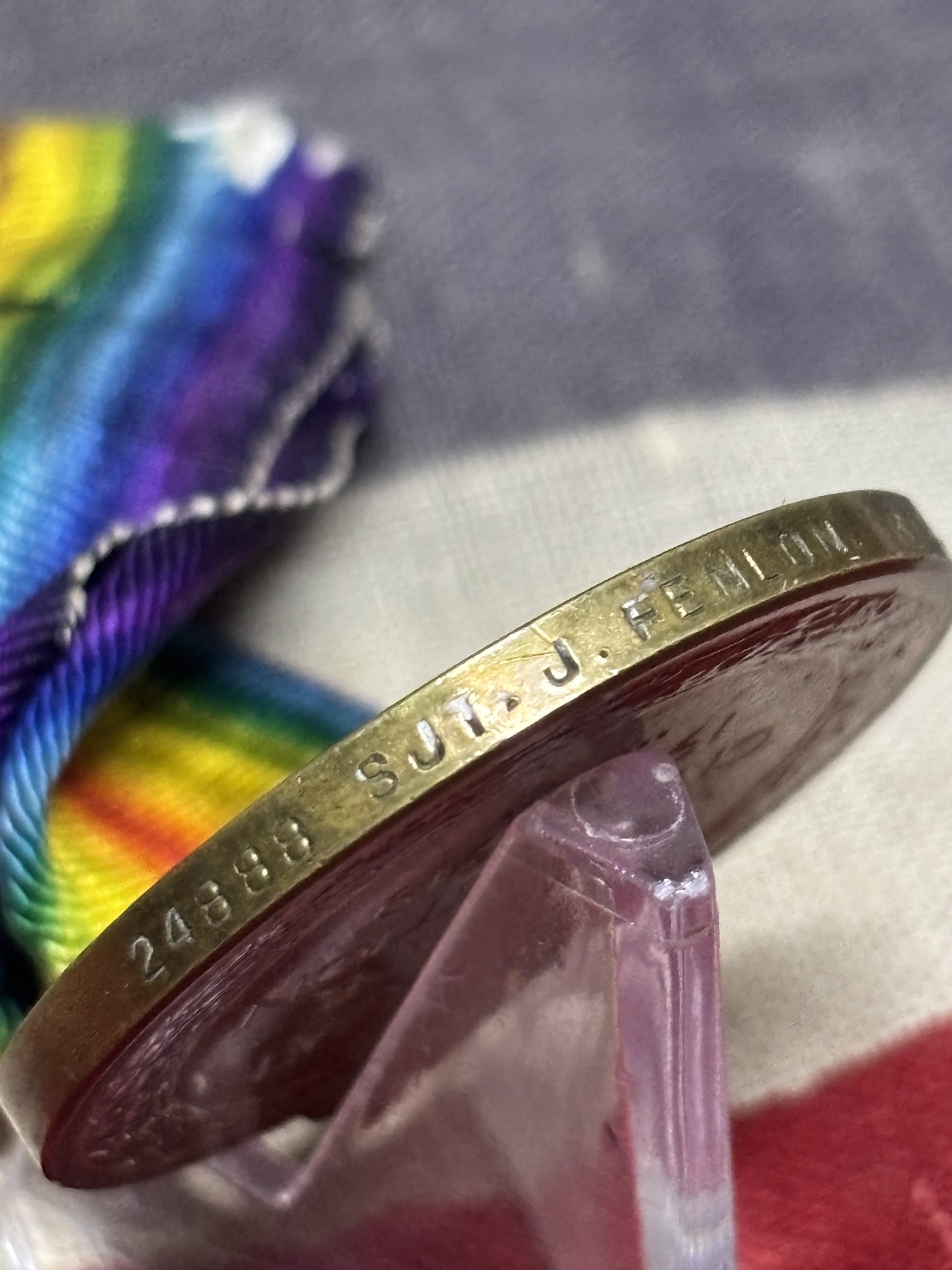
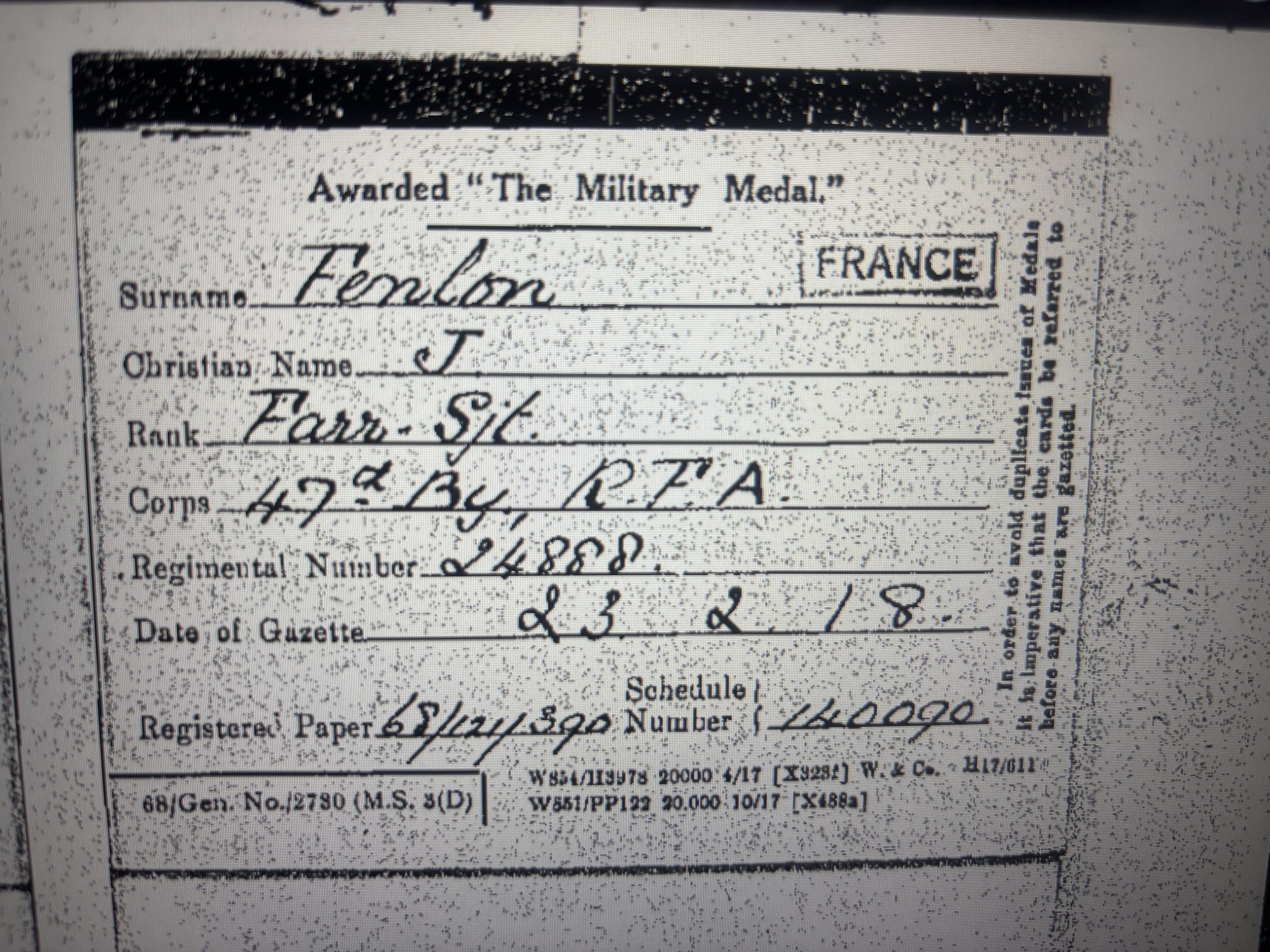
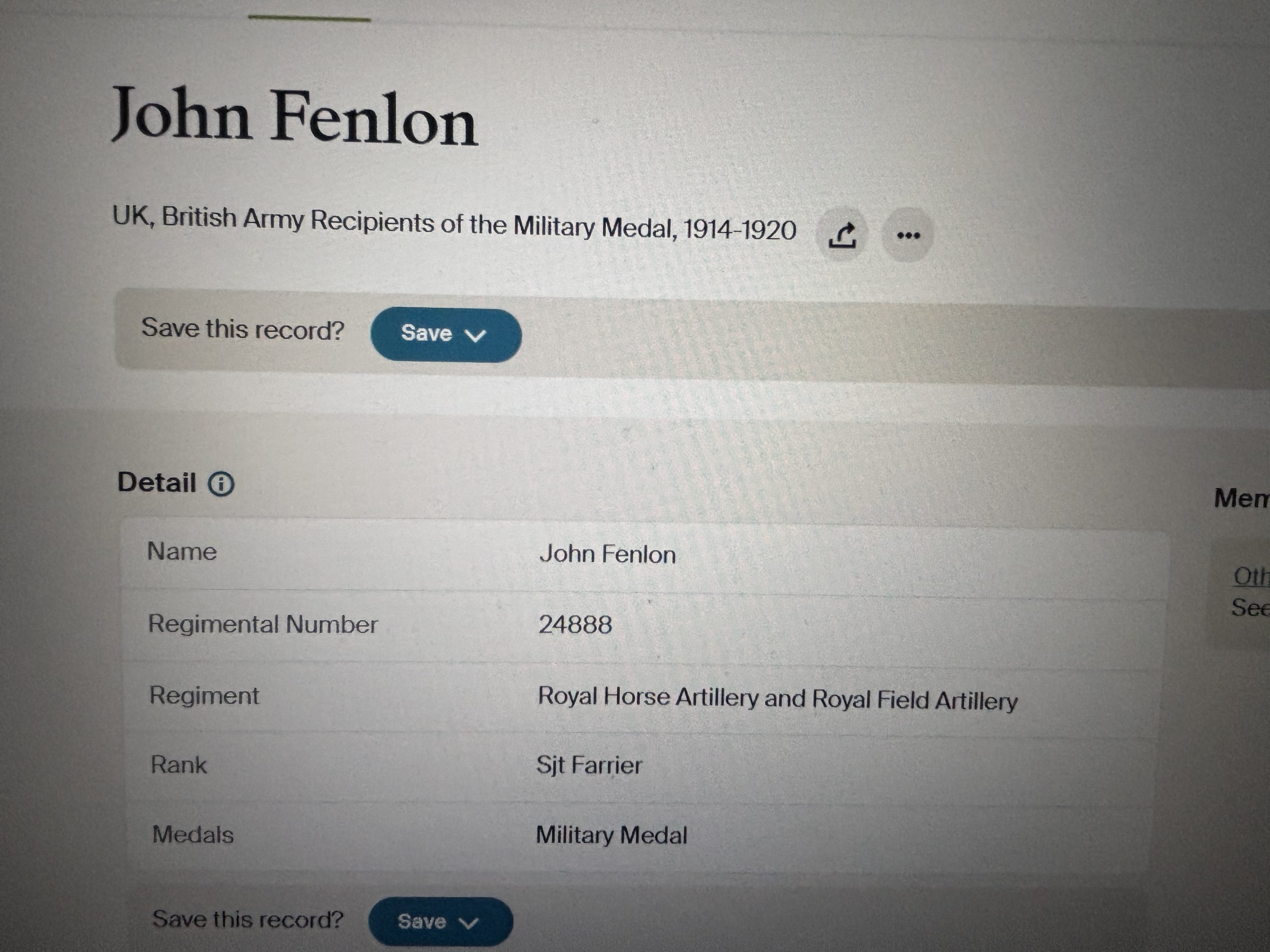
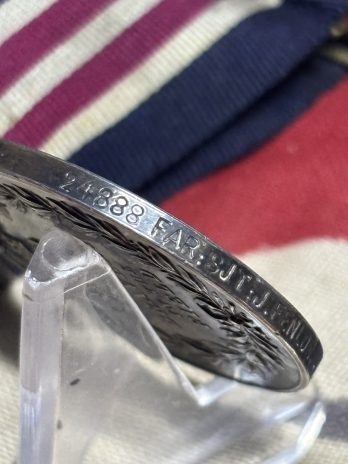
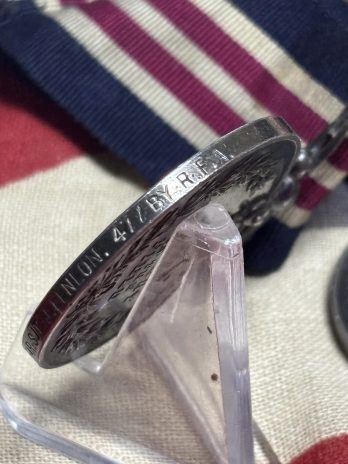
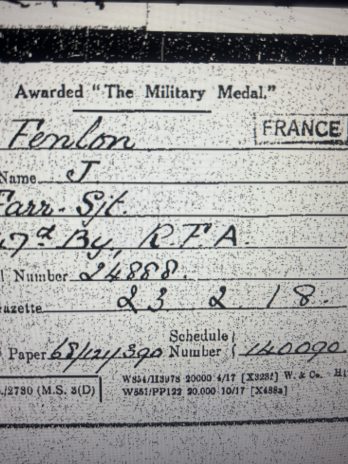
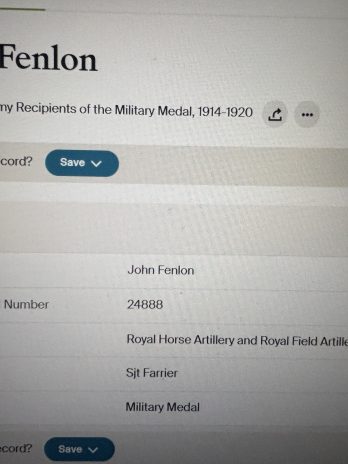
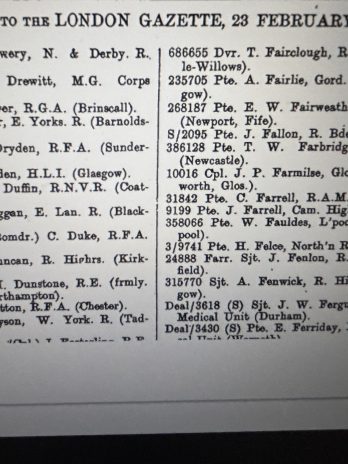
MM correctly named 24888 Far Sjt J Fenlon 47/BY RFA
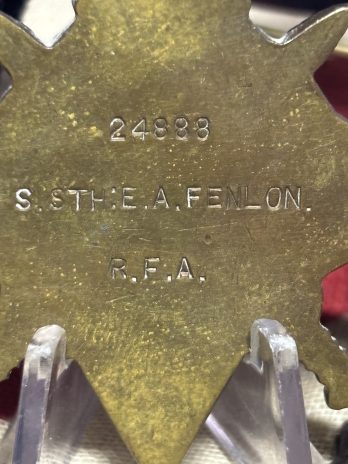
14 Star correctly named 24888 S Sth A Fenlon RFA
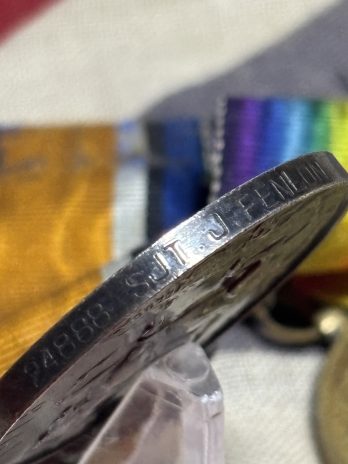
Pair correctly named 24888 Sjt J Fenlon RA
John Fenlon was born in Dublin, Ireland in late 1884.
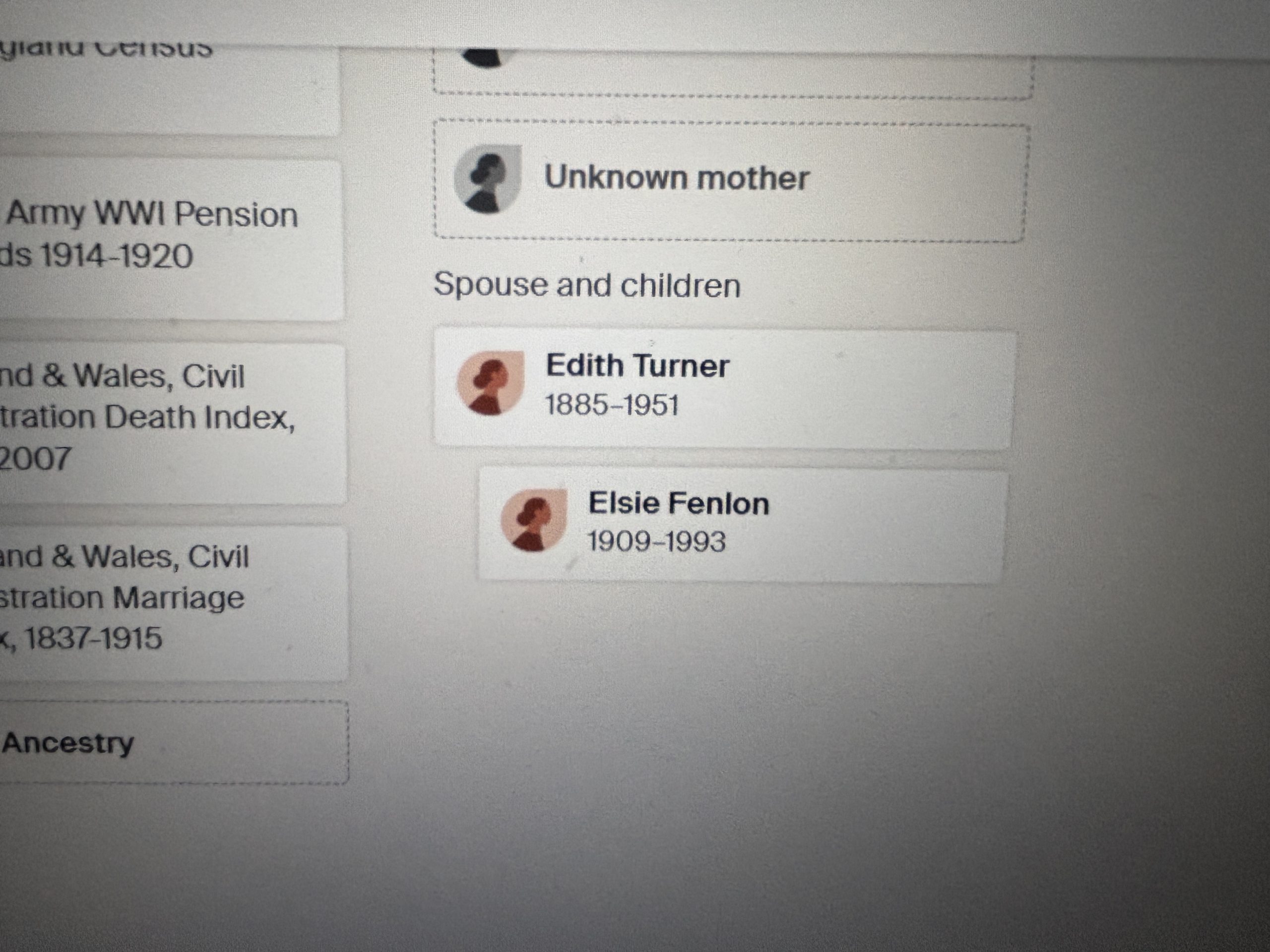
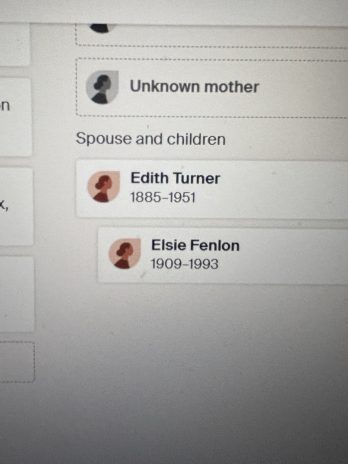
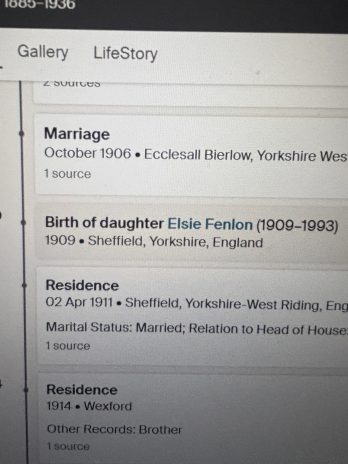
He marrried Edith Turner in 1906.
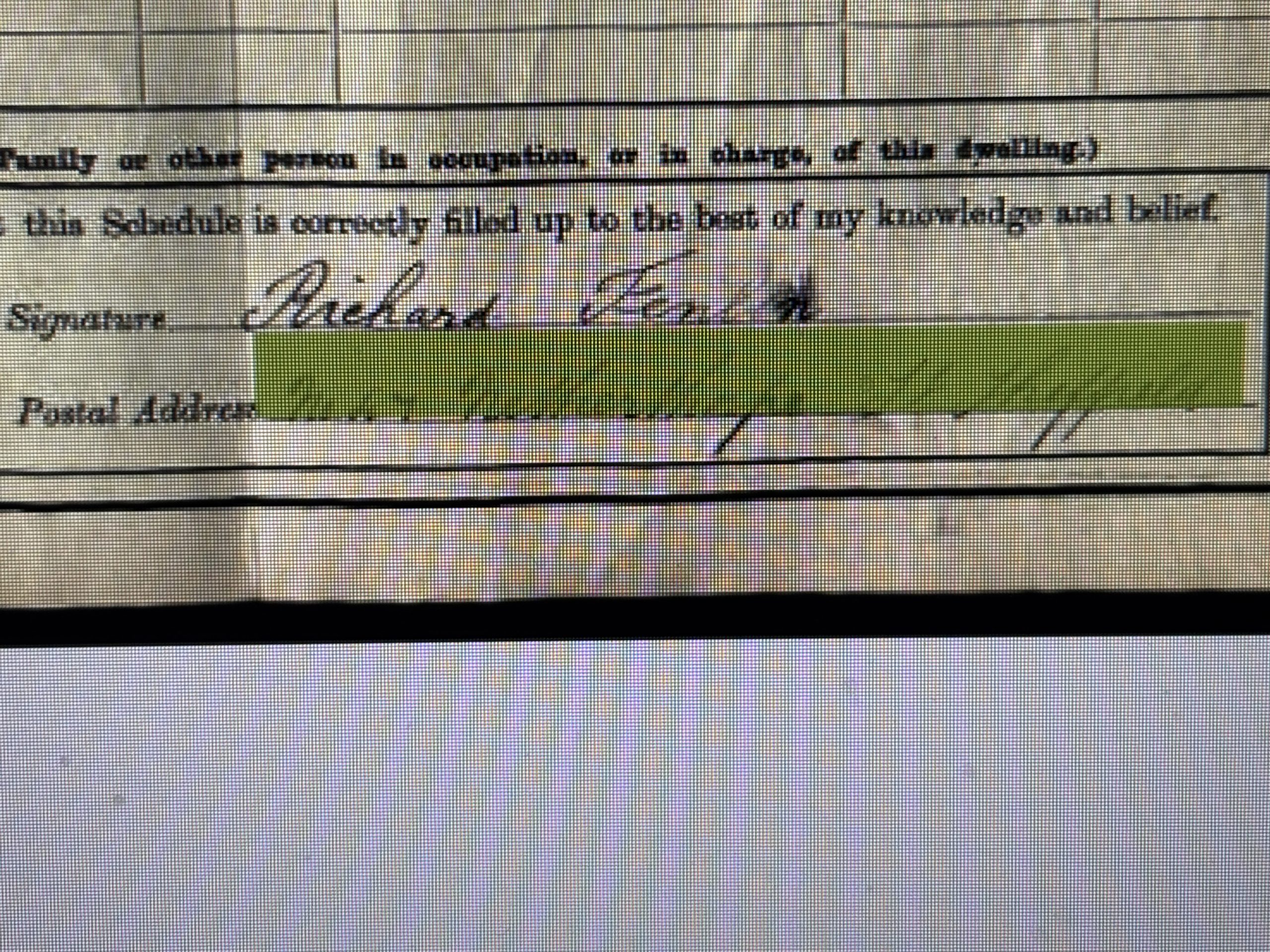
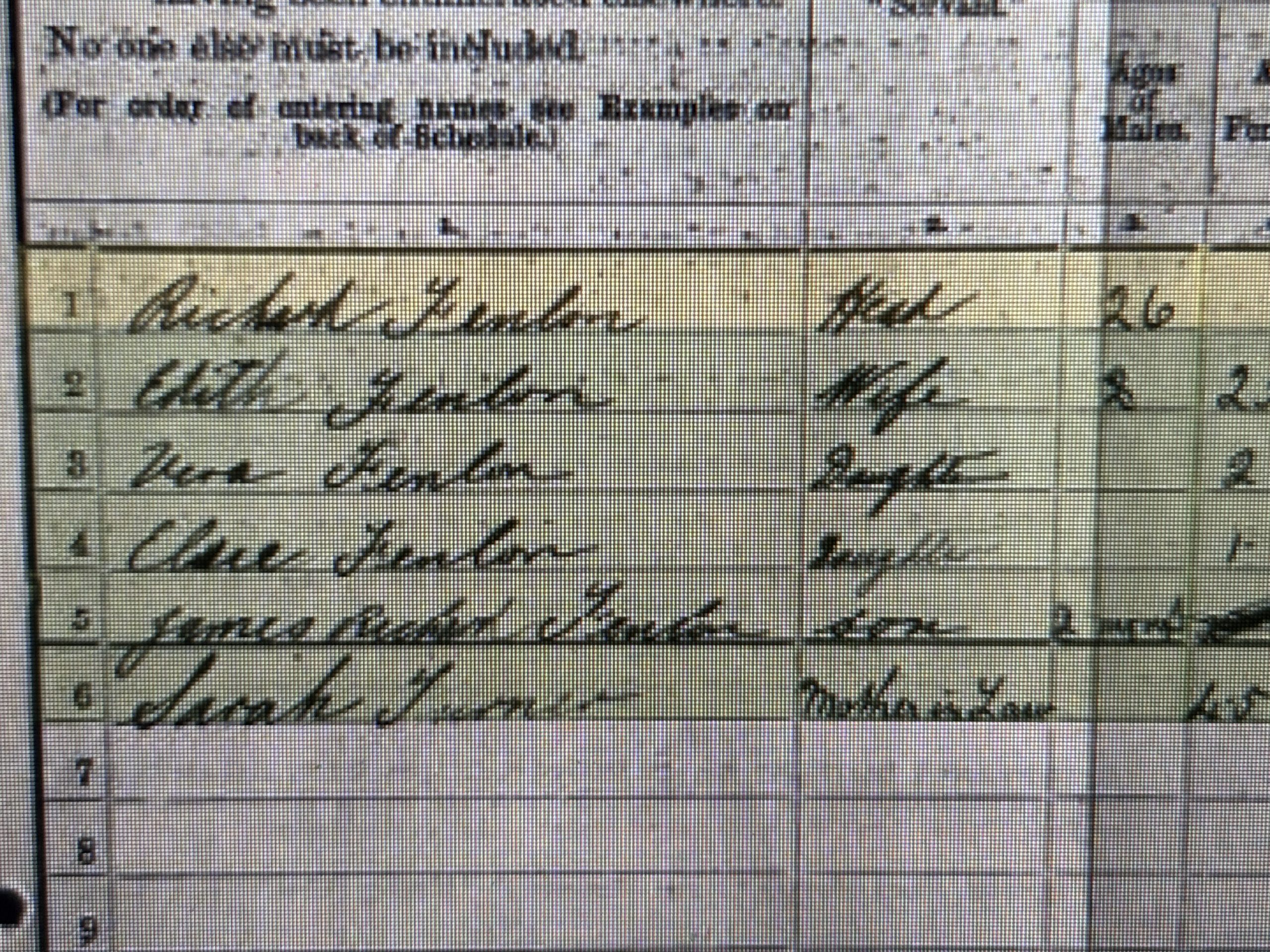
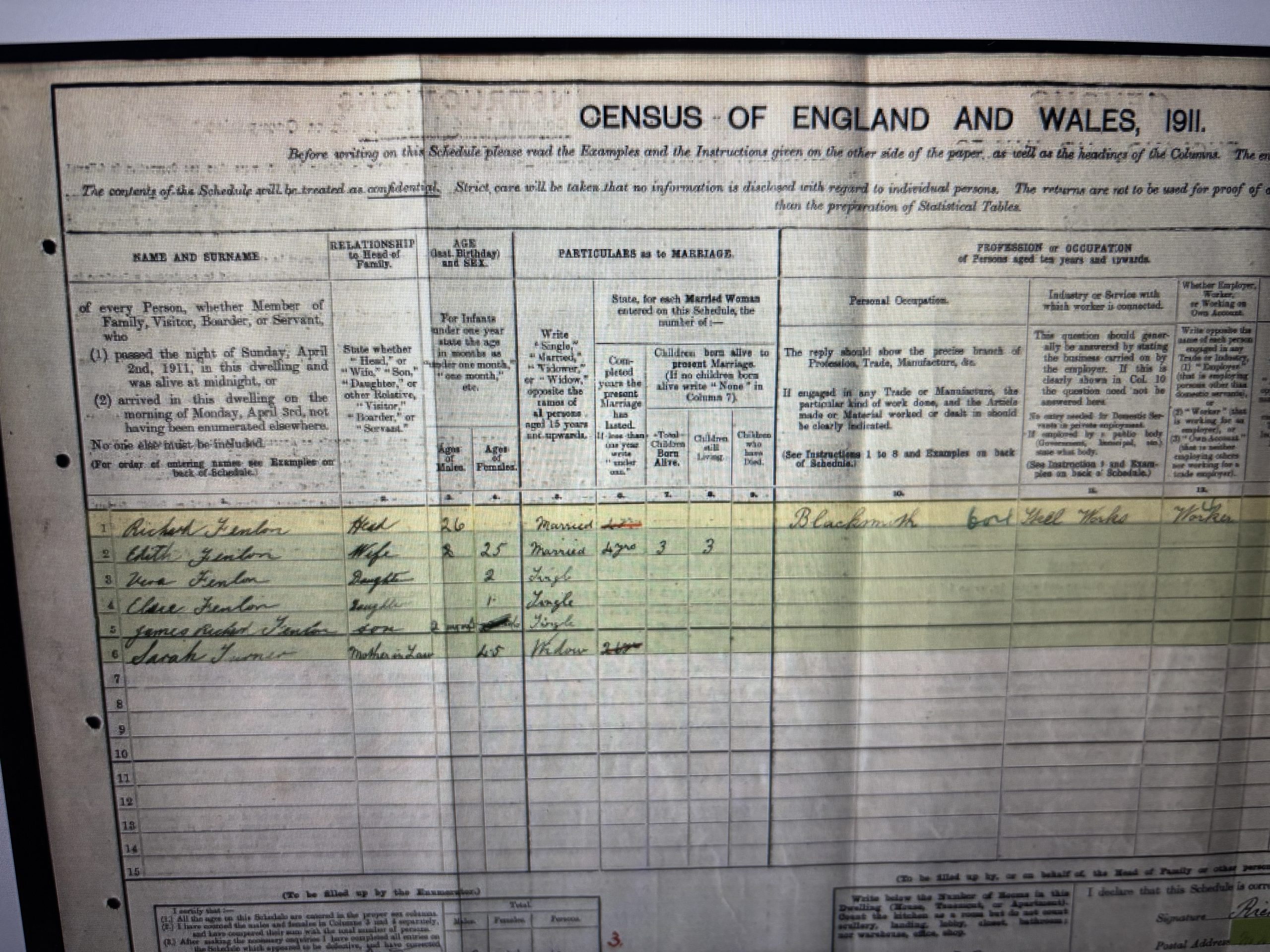
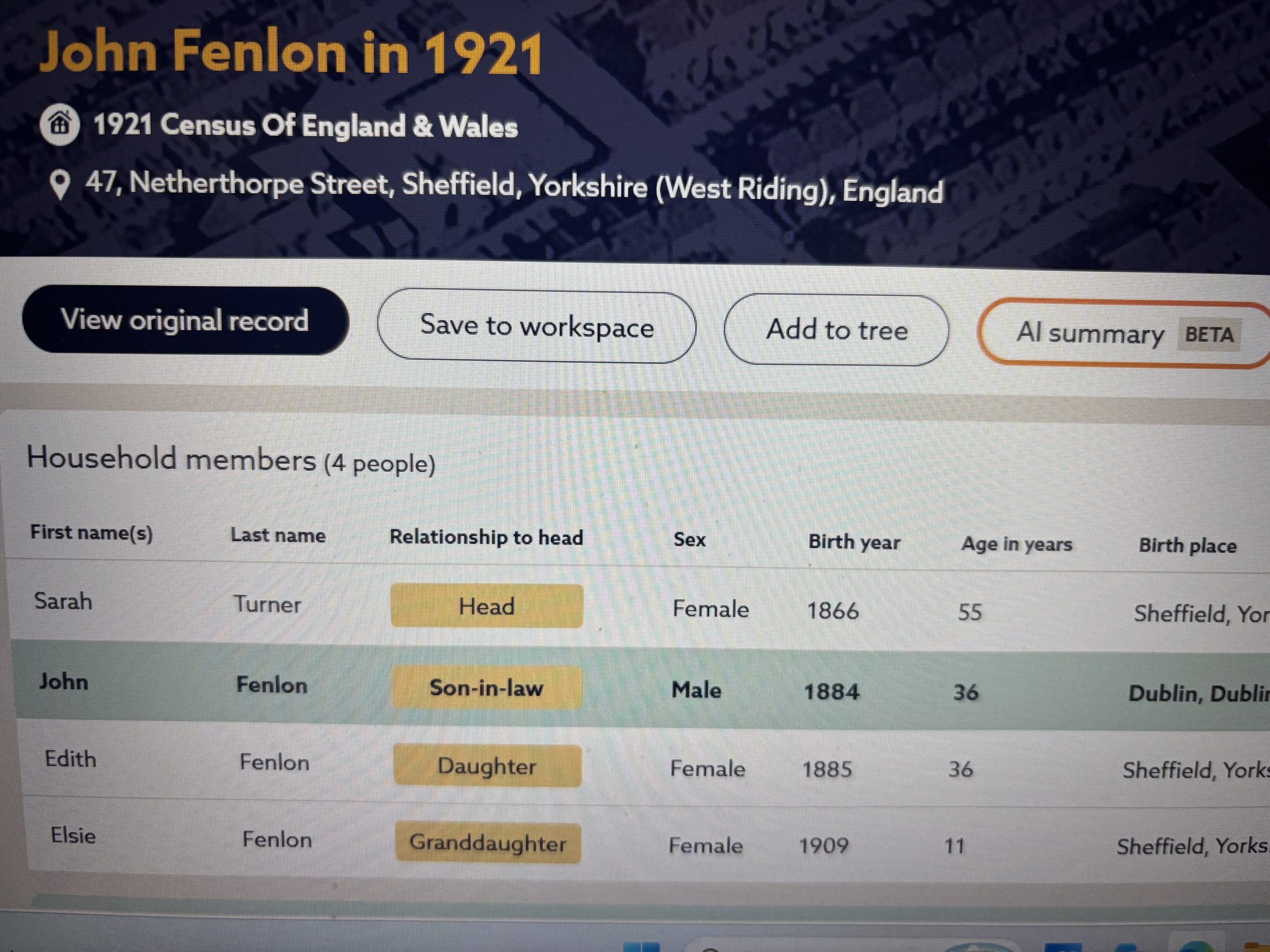
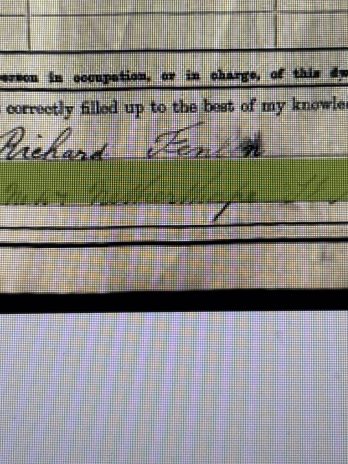
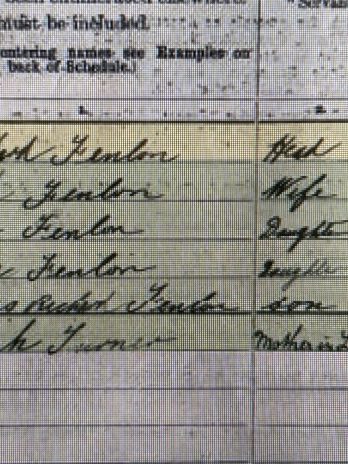
We find him in 1911, married to Edith but caliing himself Richard. A blacksmith by calling and living at 47 Netherthorpe Street in Sheffield.
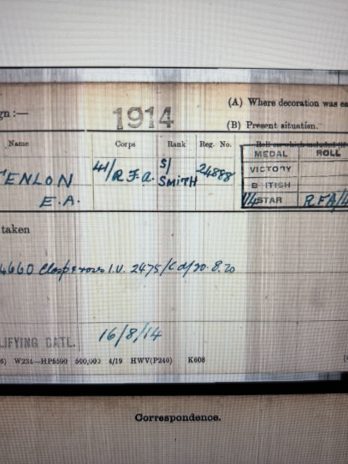
Evidently, enlisting pre-war, he was sent overseas to France on the 16th of August 1914 with the 41st RFA ranked as a shoesmith.
41st Brigade Royal Field Artillery.
The brigade was originally formed with 9th, 16th and 17th Batteries, and attached to 2nd Infantry Division. In August 1914 it mobilised and was sent to the Continent with the British Expeditionary Force, where it saw service with 2nd Division until the end of the war. 47th (Howitzer) Battery joined the brigade in May 1916. It took part in most of the major actions, including:
1914 – The Battle of Mons and the subsequent retreat, including the Affair of Landrecies, the Rearguard affair of Le Grand Fayt and the Rearguard actions of Villers-Cotterets; The Battle of the Marne; The Battle of the Aisne and the First Battle of Ypres.
1915 – The Battle of Festubert and the Battle of Loos.
1916 – The Battle of Delville Wood and the Battle of the Ancre.
After the end of the Battle of the Somme in December 1916, the artillery was reorganised, and often deployed to support different divisions depending on need. For example, for the Battle of Vimy Ridge (9 to 12 April 1917), part of the opening phase of the British-led Battle of Arras, 2nd Divisional Artillery, including 41st Brigade, operated in support of 4th Canadian Division, which was responsible for the northern portion of the advance which included the capture of the highest point of the ridge followed by the heavily defended knoll known as “the Pimple” just north of the town of Givenchy-en-Gohelle.
47th Battery Royal Field Artillery.
The 47th Brigade RFA took part in campaigns on the Western Front, including actions in Belgium and France from 1915. Records show that “A” Battery was in service with the brigade from at least December 1915, and its members were involved in artillery operations, including the 1917 Battle of Cambrai and other offensives
“B” Battery also served with the brigade in similar roles.
The brigade’s work involved moving guns to forward positions, firing on enemy trenches and strongpoints, and supporting infantry assaults with indirect fire. The RFA’s 2½‑inch howitzers were valued for their mobility and flexibility in delivering effective artillery support.
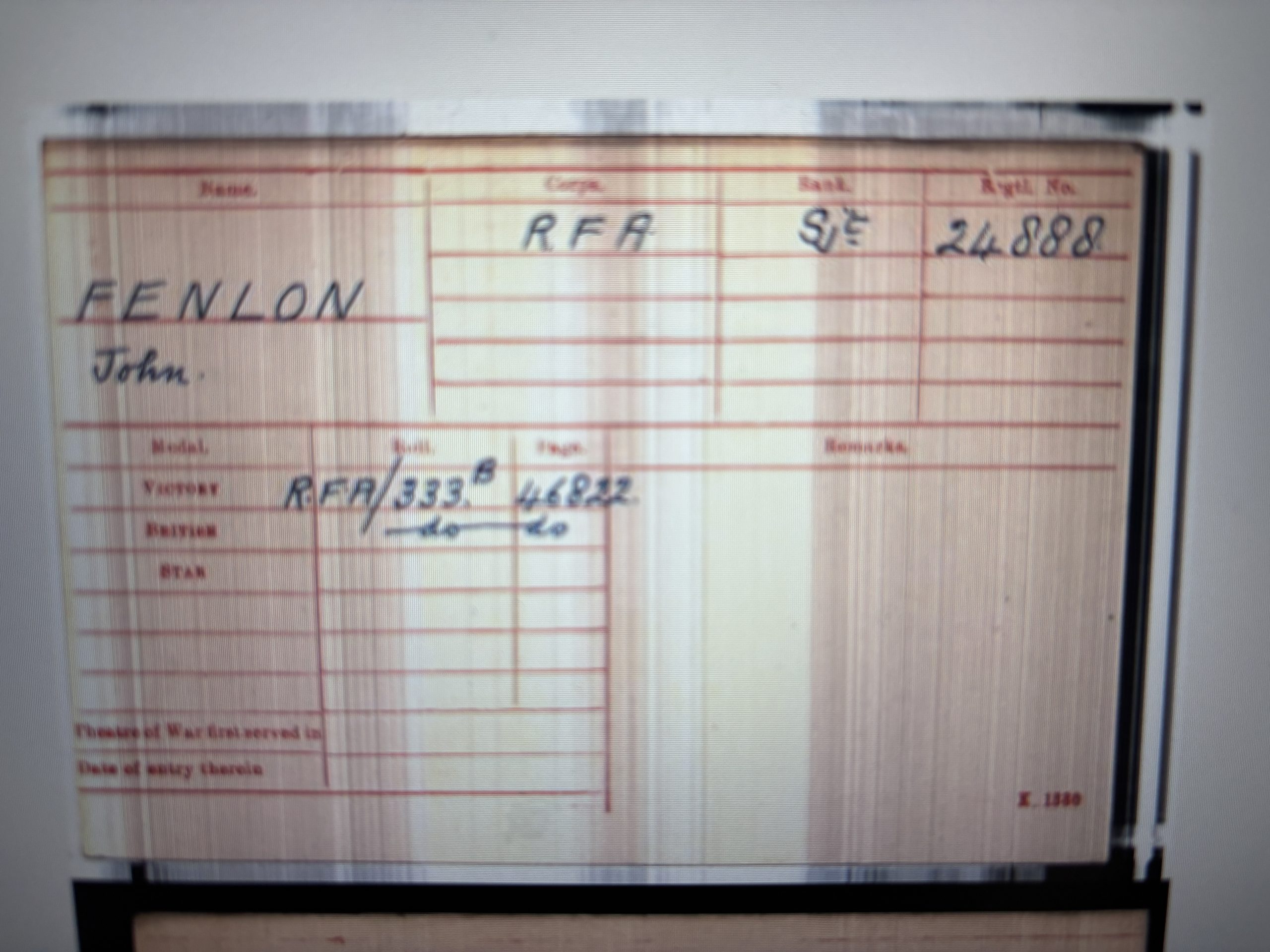
He has two MICS, the one for his Star, he is recorded as A Fenlon. It appears he not a chap afraid of using aliases.
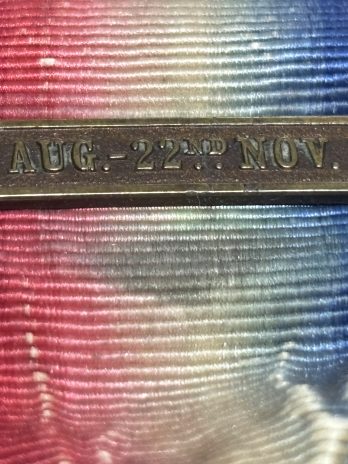
He is entitled to the clasp with roses.
His second MIC has him recorded as John Fenlon with the RFA and ranked as a Sjt.
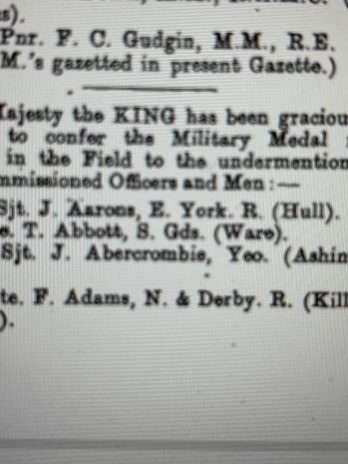
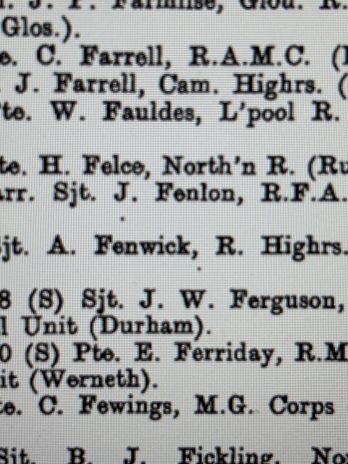
He was awarded his MM for bravery and is logged with the London Gazette dated the 28thnof February 1918.
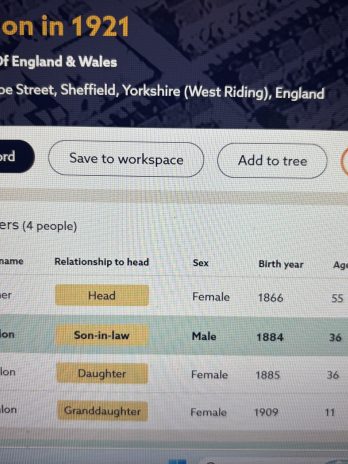
Post-war, 1921, we see him back living at 47 Netherthorpe Street in Sheffield.
He died in 1936.
All medals are swing mounted (as worn) on original silk ribbons, the Victory is mounted backwards.
Related products
-
WWI
Victory Medal. Leonard Lewis Homer. 9th Worcester Regiment, North Persia-Transcaspian Force
Original price was: £37.50.£34.00Current price is: £34.00. Add to basket