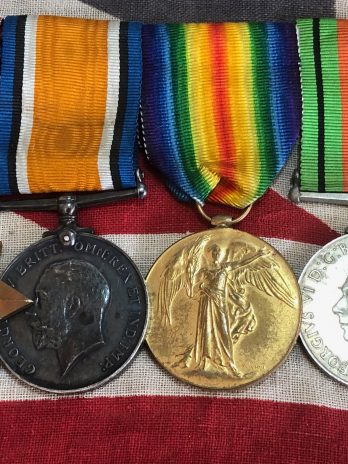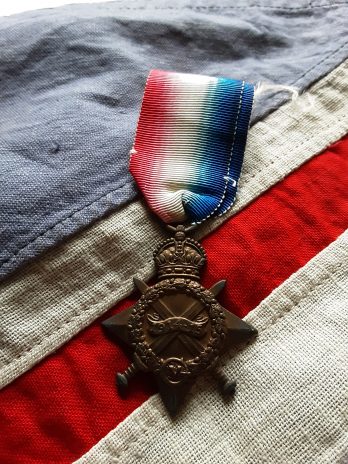

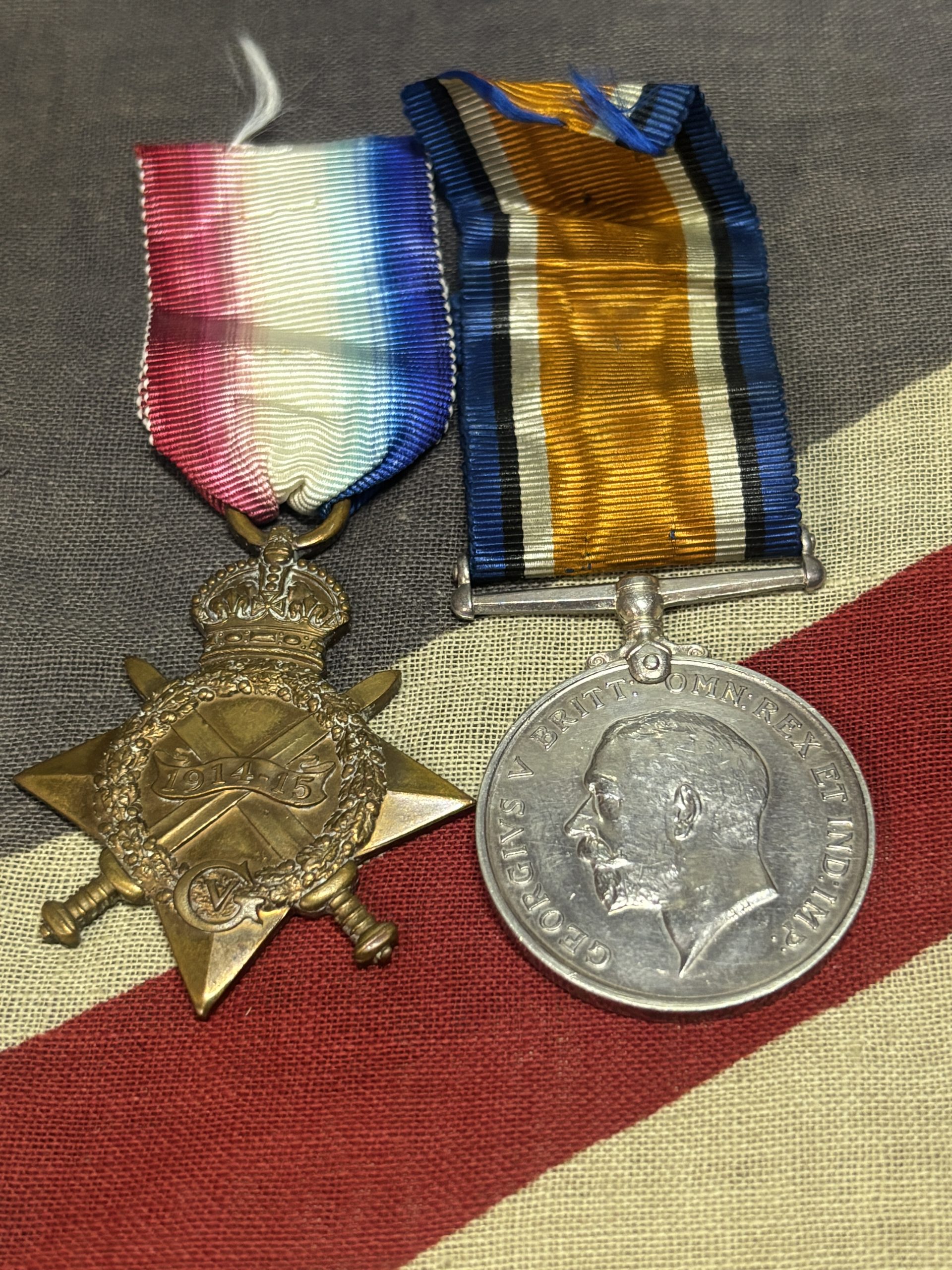
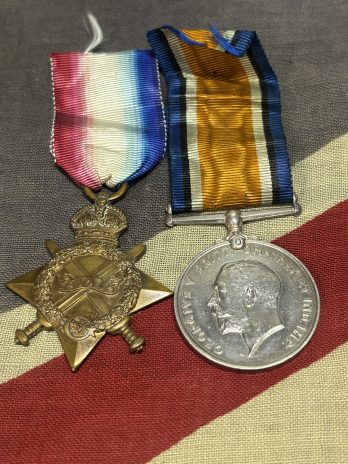
1915 Star & BWM. Musician, Royal Marine Band. Freeman. Sydenham, Kent. Actice,1914-15 at Belgium and later Dardanelles
£120.00
Availability: 1 in stock
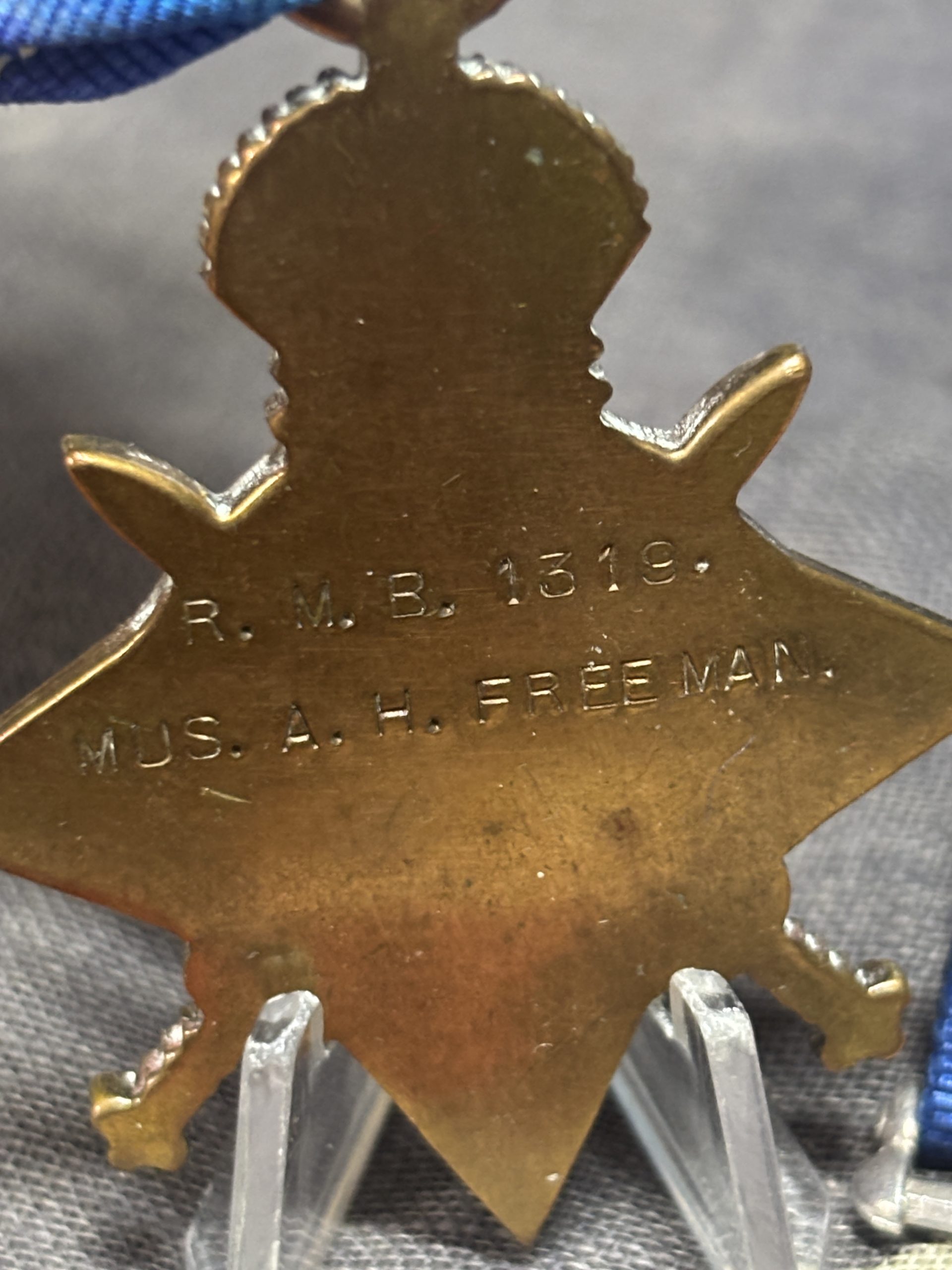
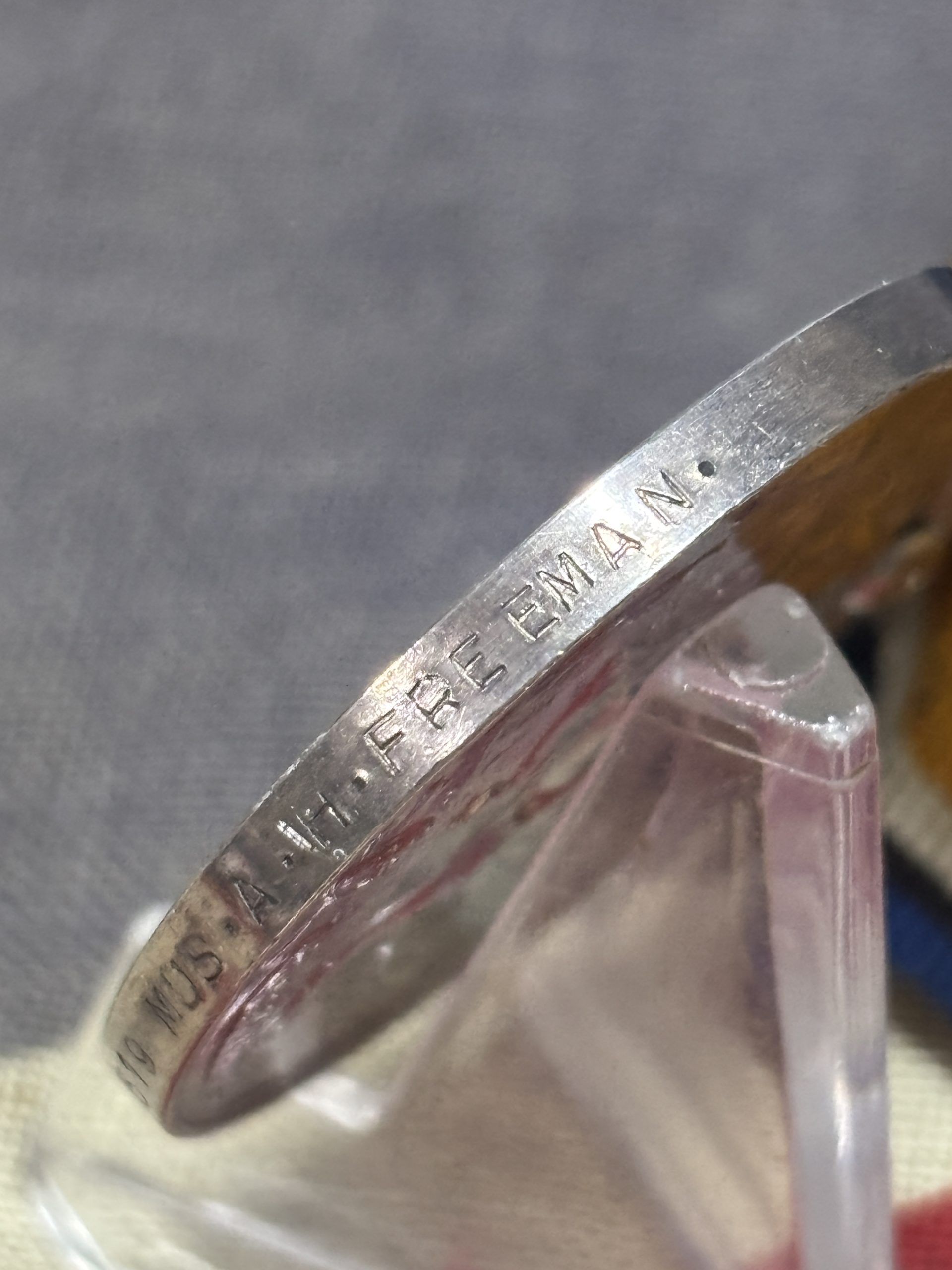
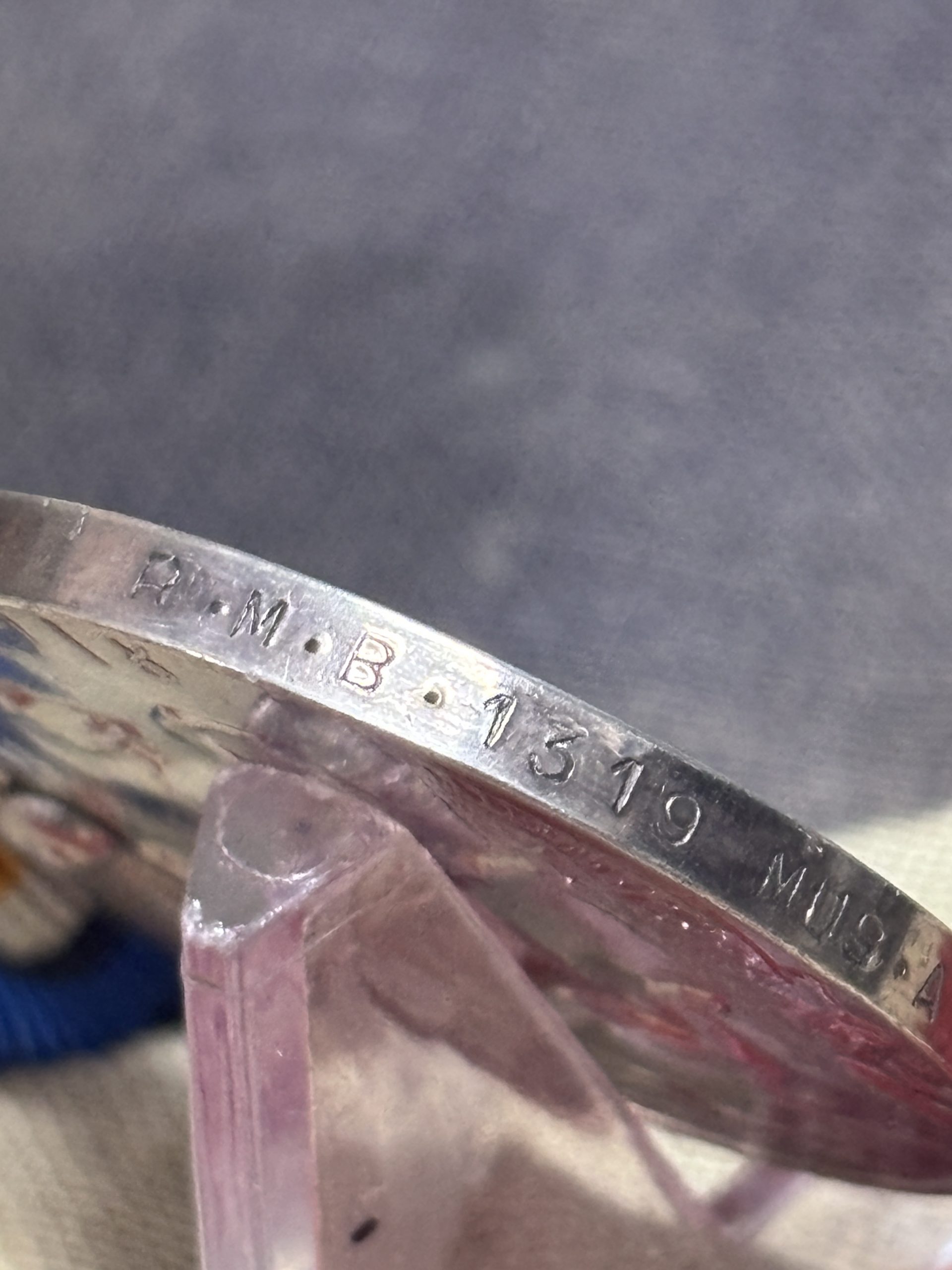
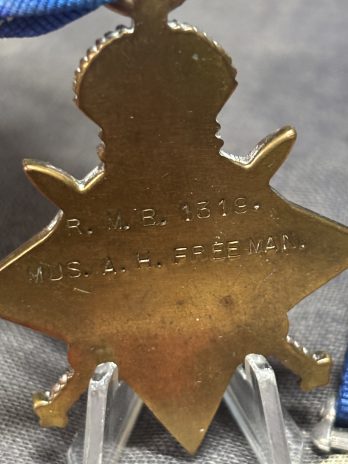
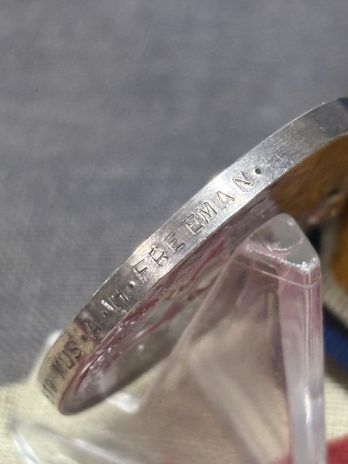
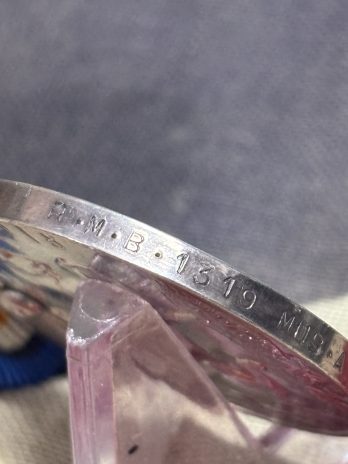
1915 Star correctly named RMB 1319 Mus AH Freeman
BWM correctly named RMB 1319 Mus AH Freeman
Alfred Henry Freeman was born in Sydenham, Kent in November 1880 to George and Elizabeth.
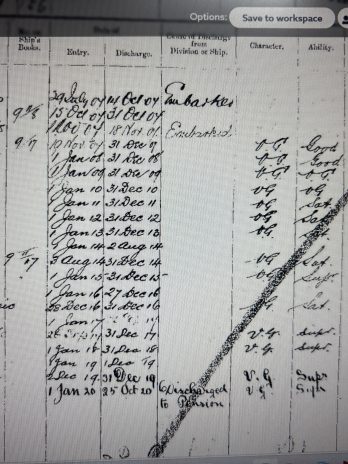
A musician by calling, he enlisted in July 1907.
In 1907, he married Edith Sturman and she sadly died in 1910.
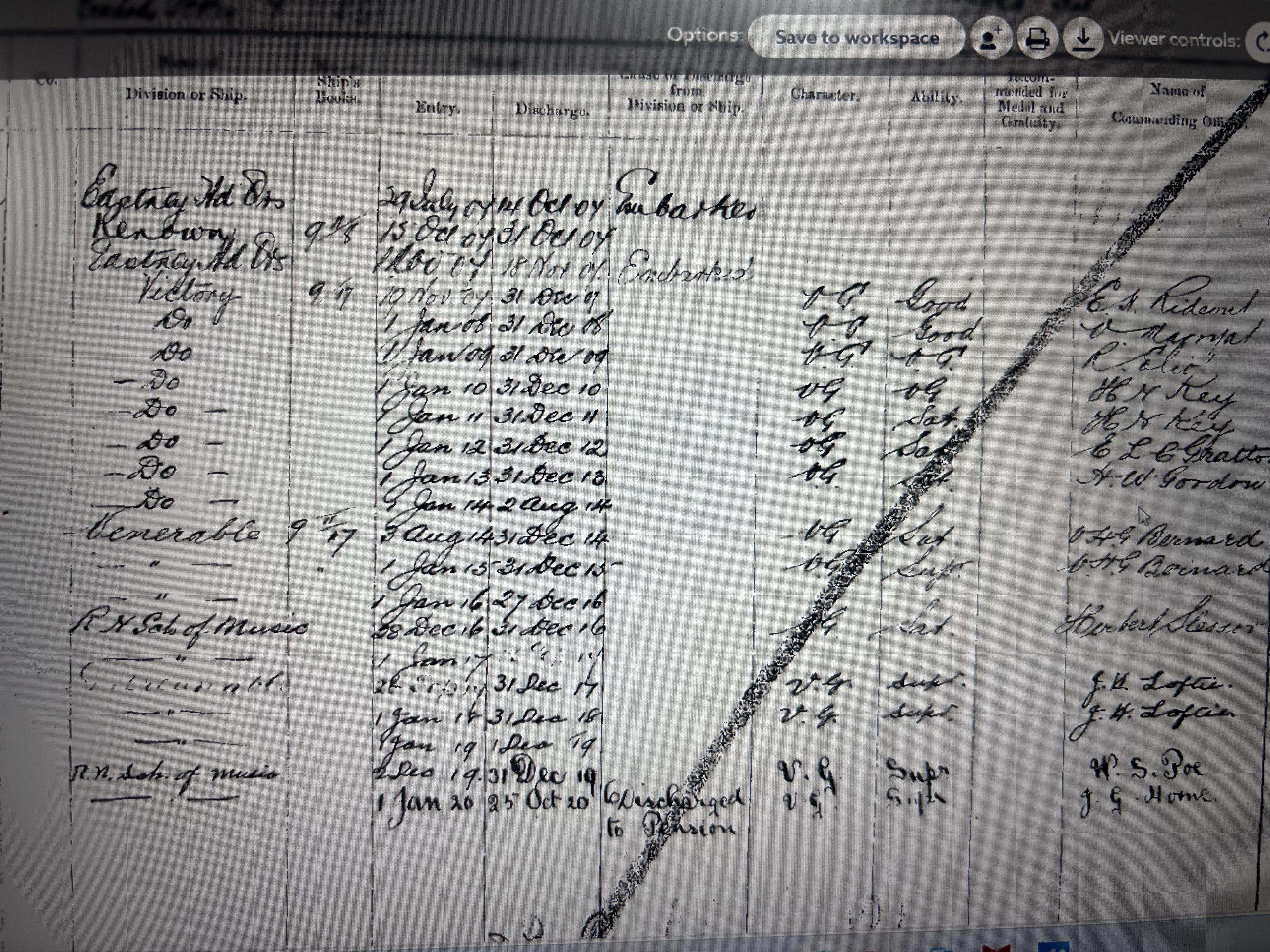
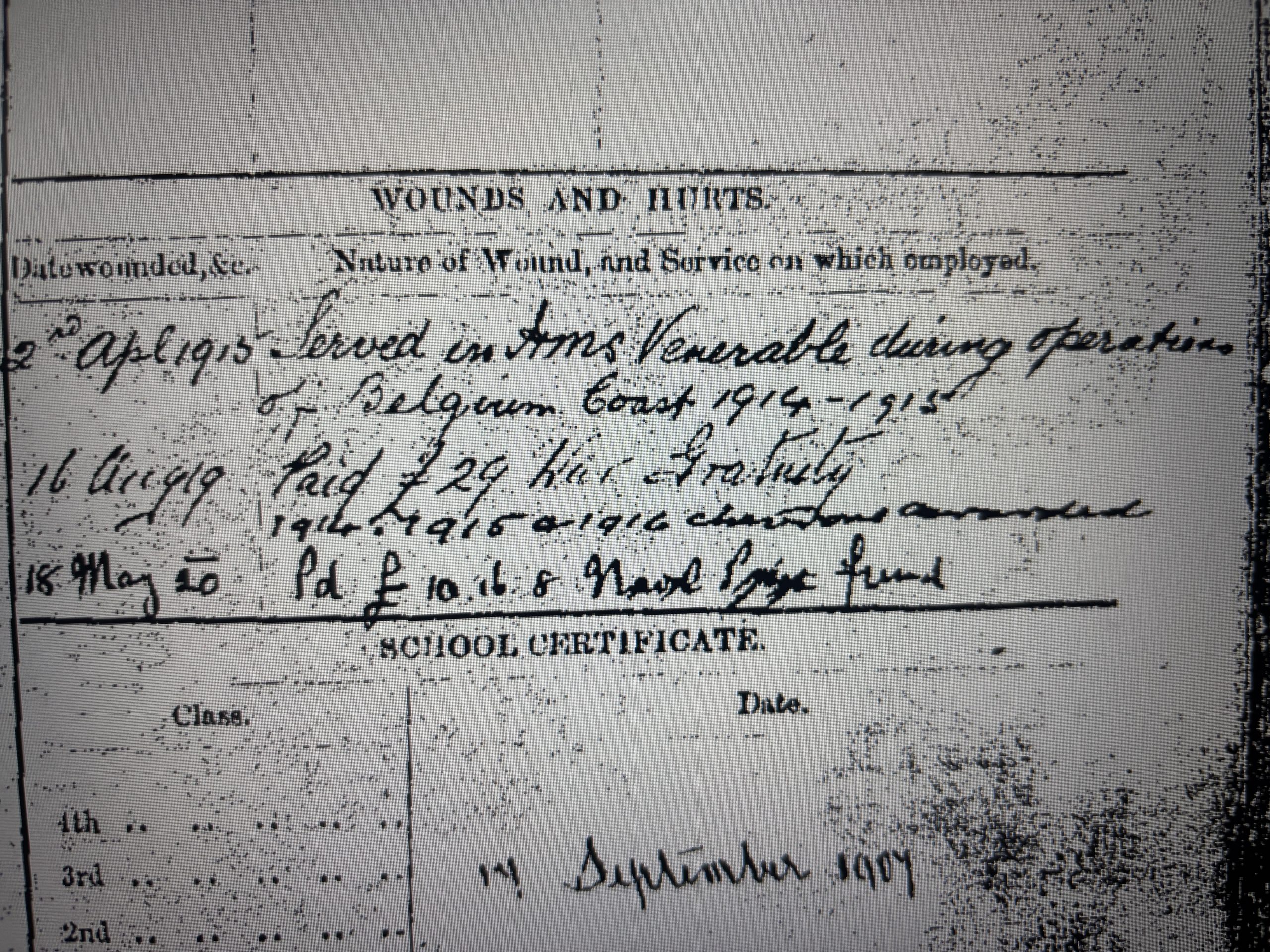
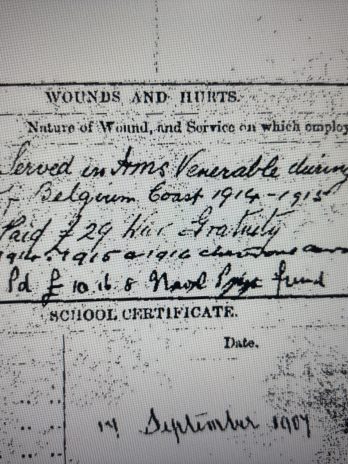
His war time service began whilst aboard HMS Venerable and was aboard during the early Royal Navy engagements on the Belgian coast 1914-1915.
When the First World War broke out in August 1914, the 5th Battle Squadron was assigned to the Channel Fleet, based at Portland. Returning to full commission, Venerable patrolled the English Channel, and on 25 August 1914 covered the movement of the Portsmouth Marine Battalion to Ostend, Belgium, In October 1914, Venerable was attached to the Dover Patrol for bombardment duties in support of Allied troops fighting on the front. She bombarded German positions along the Belgian coast between Westende and Lombardsijde from 26 to 30 October 1914 during a German attack on Belgian defences in the Battle of the Yser; she also served as the flagship of the Commander-in-Chief, Dover Patrol, Rear Admiral Sir Horace Hood, from 27 to 29 October. On the 27th, German field guns were moved up close to shore, which forced most of the light vessels to retreat, though the heavily armoured Venerable remained on station until reports of a German U-boat in the area prompted Hood to withdraw to Dunkirk. Venerable was back on station on 28 October, along with the gunboat Bustard and three monitors, to blunt another German attack. Later that day, she ran lightly aground on an uncharted sandbank, but was at that time out of range of German guns and was able to free herself with help from Brilliant at high tide. By the end of the month, the flooding from the opened sluices around Nieuwpoort had blocked the German advance, diverting German attacks further inland, out of range of Venerable’s guns. The German guns along the coast had by this time been hidden, which made it far more difficult to engage them with naval gunfire, so Venerable was recalled.
On 12 May 1915, Venerable was ordered to the Dardanelles to replace the battleship HMS Queen Elizabeth in the Dardanelles Campaign. She steamed to the Mediterranean with the battleship Exmouth; the British hoped to take advantage of the experience both ships’ crews had gained in bombarding coastal positions in Belgium. From 14 August 1915 to 21 August 1915, she supported Allied attacks on Ottoman positions at Suvla Bay. By the 21st, weather conditions worsened significantly, preventing the ships from being able to observe targets. In October, Venerable arrived at Gibraltar for a refit. Emerging from the refit in December 1915, she transferred to the Adriatic Sea to reinforce the Italian Navy against the Austro-Hungarian Navy, serving there until December 1916.
Venerable then returned to the United Kingdom, arriving at Portsmouth Dockyard on 19 December 1916, where she was laid up.
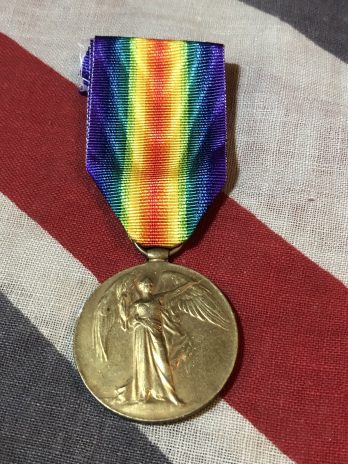
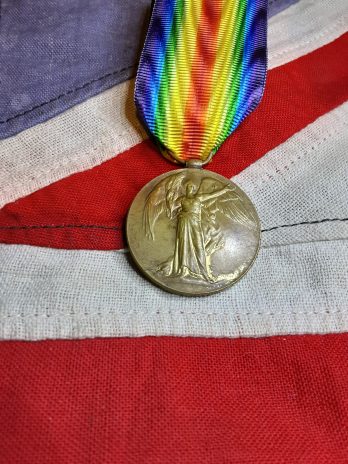
Sadly missing his Victory Medal although there is hope that may yet turn up.
he married Roseman Pearce in 1919.
His address upon enlistment is 38 Oaksbury Road in Fulham and we see him there in 1921 as an out of work Royal Marines bandsman.
In 1939, he is still living at 38 and is working as a clerk for the Board of Trade. Also noted as being a pensioner musician for the Royal Marine Band.
Alfred died in 1961.
Both medals have original silk ribbon.
Related products
-
WWI
1915 Star. Charles Hoadley. 2nd Loyal North Lancs. Served German East Africa
Original price was: £42.50.£40.00Current price is: £40.00. Add to basket -
WWI
Victory Medal. Leonard Lewis Homer. 9th Worcester Regiment, North Persia-Transcaspian Force
Original price was: £37.50.£34.00Current price is: £34.00. Add to basket